Taxation

Corporate Income Tax
| Category | Rate |
|---|---|
| Standard corporate tax rate | 30% |
| IBCs (foreign-sourced income) | 0% |
| Qualifying manufacturing companies | As low as 10% (with incentives) |
| Approved tourism enterprises | Tax holiday up to 15 years |
| Approved agricultural enterprises | Tax holiday up to 15 years |
| Capital gains tax | No separate CGT (included in income tax) |
Personal Income Tax
| Chargeable Income (XCD) | Rate | Base Tax (XCD) |
|---|---|---|
| Tax-free allowance: $18,400/year (deductible raised to $40,000 for calendar year 2025) | 0% | — |
| $0 - $15,000 | 15% | Up to $2,250 |
| $15,001 - $30,000 | 20% | $2,250 + 20% on excess |
| Over $30,000 | 30% | $5,250 + 30% on excess |
Residents taxed on worldwide income; non-residents on St. Lucia-sourced income and foreign income remitted to the territory. Pension income is exempt from individual income tax from January 1, 2025. NIC pensions receive CPI-linked increases from July 2025.
Value Added Tax (VAT)
| Category | Rate |
|---|---|
| Standard rate | 12.5% |
| Tourism accommodation services | 7% (since Dec 2020) |
| Hotel food, beverage & related tourism services | 10% |
| Exports, basic food, medical supplies | 0% |
| Supplies to IBCs | 0% (treated as exports) |
| Registration threshold | XCD $400,000 annual turnover |
Other Taxes
| Tax | Rate / Details |
|---|---|
| WHT: General non-resident income | 25% of gross |
| WHT: Interest (non-residents) | 15% |
| WHT: Interest & royalties (residents) | 10% |
| IBC withholding on foreign payments | 0% |
| Property tax (residential) | 0.25% of open market value per year |
| Property tax (commercial) | 0.40% of open market value per year |
| Stamp duty - buyer | 2% of property value |
| Stamp duty - seller (resident) | 2.5-5% sliding scale by value |
| Stamp duty - seller (non-resident) | 10% of property value |
| Mortgage stamp duty | 1-1.2% |
| Capital gains tax | None |
| Dividend tax | None |
| Inheritance / estate tax | None |
| Import duties | 0-35% (varies by product, CARICOM CET applies) |
| Environmental levy (imports) | 1.5% |
| Excise duty | On fuel, liquor, beer, cigarettes |
Tourism Levy
| Room Rate | Levy Per Person Per Night |
|---|---|
| Below US $120 | US $3 |
| Above US $120 | US $6 |
| Guests aged 12-17 | 50% of applicable levy |
Double Taxation Treaties
Saint Lucia has one DTA: the CARICOM Double Taxation Agreement covering 11 member states (Antigua & Barbuda, Barbados, Belize, Dominica, Grenada, Guyana, Jamaica, Montserrat, St. Kitts & Nevis, St. Vincent & the Grenadines, Trinidad & Tobago). A foreign tax credit is allowed for the lesser of tax payable in the foreign country or tax charged under St. Lucia law.
No Tax On
Capital gains, dividends, net wealth, inheritance, estate, or gifts. Saint Lucia does not impose these taxes.
Tax Amnesty & Credit Rating
A tax amnesty programme (waiver of penalties and interest on outstanding liabilities) has been extended to May 1, 2026. Taxpayers with overdue obligations should contact the Inland Revenue Department.
Saint Lucia's sovereign credit rating: CariCRIS CariBBB- (reaffirmed September 2024), indicating adequate creditworthiness within the Caribbean context.
Labor Laws

Key Provisions
| Minimum Wage | XCD $6.52/hour (effective October 2024) |
| Standard Working Hours | 8 hours/day, 40 hours/week |
| Overtime Rate | 1.5x regular hourly rate |
| Night Shift Premium | 1.25x regular rate (10 PM - 6 AM) |
| Annual Leave | 2 weeks (14 working days) per year |
| Sick Leave | Up to 14 days/year (medical certificate after 3 days) |
| Maternity Leave | 12 weeks (minimum 6 weeks paid) |
| Paternity Leave | No statutory requirement |
| Public Holidays | 13 per year (includes Jan 2, Day After New Year's) |
| Meal Break | Minimum 30 minutes required |
| Minimum Working Age | 16 years |
| Probation Period | Typically 3-6 months (by agreement) |
| Notice - <1 year service | 2 weeks |
| Notice - 1+ year service | 1 month |
| Severance Pay | 1 week's pay per year of service (2+ years required for redundancy) |
National Insurance Corporation (NIC)
| Contribution | Rate |
|---|---|
| Employer contribution | 5% of insurable earnings |
| Employee contribution | 5% of insurable earnings |
| Total | 10% of insurable earnings |
| 2025 increase | NIC contribution rate increased by 3.9 percentage points (Budget 2025/26) to strengthen social security funding and pension sustainability |
NIC provides: sickness benefit, maternity benefit, invalidity benefit, survivors' benefit, funeral grant, retirement pension, and employment injury benefits.
Termination Requirements
Employers must provide written notice or pay in lieu. Unfair dismissal claims can be brought to the Labour Tribunal. Redundancy payments required for economic layoffs. The Labour Code governs dispute resolution through the Department of Labour.
Property & Land Ownership

Alien Landholding License (ALHL)
Non-citizens must obtain an Alien Landholding License to purchase property in Saint Lucia, governed by the Aliens (Licensing) Act.
Process
1. Certificate of Eligibility
Apply to the Citizenship by Investment Unit for pre-qualification. Cost: USD $3,000 (1-year) or USD $10,000 (10-year).
2. Alien Landholding License Application
Submit application to Ministry of Physical Development with required documents (birth certificate, police clearance, banker's reference, passport copy, survey plan). Fees by land size:
- Up to 1 acre: USD $2,500
- 1-5 acres: USD $5,000
- 5-10 acres: USD $10,500
- Over 10 acres: USD $10,500+
Processing: 4-8 weeks (typically 6-8 weeks). Properties over 1 acre require Cabinet approval.
3. Secure Property
Pay 10% deposit to seller while ALHL is processed. Engage local attorney for conveyancing.
4. Complete Purchase
Stamp duty: 2% (buyer). Legal fees: 0.5-2.5% of purchase price. Registration fees apply.
Exception: Citizenship by Investment
Buyers investing in CBI-approved real estate (minimum USD $300,000) do not need an ALHL and gain St. Lucian citizenship, with visa-free access to 145+ countries.
Licenses & Permits
| License/Permit | Authority | Notes |
|---|---|---|
| Business Name Registration | Attorney General's Chambers | Required for all sole proprietors and partnerships |
| Trade License (General Business) | Ministry of Commerce | Required for all businesses. Fee: XCD $1,000/year. Applied via Trade License Advisory Board |
| Tourism License | Ministry of Tourism / SLHTA | Required for hotels, tour operators, car rentals, water sports. Must also collect Tourism Levy |
| Liquor License | District Revenue Office | Required for sale of alcoholic beverages |
| Import License | Ministry of Commerce | Required for restricted goods |
| Export License | Ministry of Commerce | Required for certain agricultural/controlled products |
| Building Permit | Development Control Authority | Required for all construction and significant renovations |
| Environmental Permit | Dept. of Sustainable Development | Required for projects with environmental impact |
| Food Handling Permit | Environmental Health Dept. | Required for food businesses |
| Fire Safety Certificate | Fire Service | Required for commercial premises |
Key Legislation
Governs the incorporation, management, and dissolution of companies in Saint Lucia. Covers directors' duties, shareholder rights, annual filings, and corporate governance.
Governs the formation and regulation of IBCs. Provides the tax-exempt framework for companies engaged in international trade and investment.
Establishes the income tax system for individuals and corporations. Sets rates, allowances, deductions, and filing requirements. Administered by the Inland Revenue Department.
Introduced VAT at 12.5% standard rate. Covers registration requirements, filing obligations, exempt and zero-rated supplies, and penalties.
Regulates employment relationships including contracts, working conditions, termination, redundancy, trade unions, and dispute resolution. The Department of Labour oversees enforcement.
Provides tax holidays and concessions for approved manufacturing, agricultural, and other enterprises. Up to 15 years of income tax relief. Import duty exemptions on equipment and raw materials.
Specific incentives for tourism-related investments including hotels, attractions, and tour operations. Duty-free building materials, tax holidays, and training support.
Regulates land ownership by non-nationals. Requires Alien Landholding License for property purchases by foreigners. Sets application procedures and fees.
Establishes the NIC and mandatory social security contributions. Covers employer/employee contributions (5% each), benefits for sickness, maternity, injury, retirement, and death.
Recent Legislation (2024–2025)
| Legislation | Date | Key Provisions |
|---|---|---|
| National Minimum Wage | Oct 2024 | Saint Lucia's first-ever legally mandated minimum livable wage: EC$6.52/hour (EC$1,131/month). Raised salaries for ~13,000 workers. |
| Credit Reporting Act | 2024 | Enacted across the ECCU. ECCB established a Credit Bureau for credit information sharing, data protection, and service provider regulation. |
| Money Laundering (Prevention) Amendment Act No. 18 | 2024 | Updated AML/CFT financial regulations and compliance requirements. |
| Payment System and Services Act | 2025 | Replaced the 2008 Payment System Act. Modern payment definitions, consumer protection, structured licensing for payment providers, regulatory sandbox for fintech, and strengthened ECCB oversight. |
| CBI Programme Amendments | Jul 2024 | Caribbean MOU harmonization: NEF raised to $240K, real estate to $300K. 30-day residency requirement being legislated. Citizenship by descent for 2nd/3rd generation descendants. |
| Climate Change Act (No. 3 of 2024) | 2024 | Landmark legislation formalizing the National Climate Change Committee (NCCC) and embedding climate governance into law. Among the first such legislation in the Eastern Caribbean. Establishes institutional framework for climate adaptation and mitigation. |
| Virtual Assets Business Act | Dec 2022 | VASP licensing administered by the FSRA. Minimum capital: EC$250,000. Processing: 4–5 months. Mandatory AML Compliance Officer. Fit-and-proper tests, IFRS accounting, annual audits. No capital gains tax on crypto. See E-Commerce & Digital. |
| Banking Amendment Bill | 2024 | Introduces Basic Bank Accounts (no fees, EC$36,000/yr deposit limit) to promote financial inclusion. Establishes the Office of Financial Conduct and Inclusion under the ECCB framework. |
| POCA 2023 Amendment | 2023 | Amended the Proceeds of Crime Act to introduce a civil asset recovery framework, expanding the scope of asset forfeiture beyond criminal conviction to civil proceedings. |
| Security Interest in Movable Property Amendment Bill | 2025 | Clarifies that the 2022 Act applies exclusively to movable property (not real estate), resolving ambiguity around secured transactions and collateral registration. |
| Cannabis and Industrial Hemp Bill | Jan 2025 | Published for public consultation (deadline Feb 7, 2025). Establishes a Central Trading Entity (CTE) under a Regulatory Substance Authority (RSA). Covers licensing for cultivation, processing, distribution, and retail—including permissible strains, labeling, and product types. Separate provisions for industrial hemp cultivation and product development. Government structuring the industry to ensure benefits accrue primarily to Saint Lucian nationals. Cannabis decriminalized (up to 30g) since September 14, 2021; full legal industry not yet launched. January 2026 police crackdowns sparked renewed public debate. See Sectors → Cannabis & Hemp. |
| Sovereign Wealth Fund Act | Mar 2025 | Passed into law March 2025. Funded primarily from CBI revenues. Establishes a long-term investment vehicle to manage windfall CBI income for intergenerational national benefit, fiscal stabilisation, and strategic development reserves. |
| Electricity Supply Bill | 2025 | Introduced to end LUCELEC's exclusive monopoly on electricity generation and distribution. Represents a major regulatory shift toward energy market liberalisation, enabling independent power producers (IPPs) and competitive electricity supply. Expected to accelerate renewable energy investment and reduce electricity costs. See Sectors → Energy. |
Landmark Court Decisions (2025)
| Case / Ruling | Date | Significance |
|---|---|---|
| Colonial-era buggery law struck down | Jul 2025 | The Eastern Caribbean Supreme Court struck down Saint Lucia's colonial-era anti-sodomy/buggery law as unconstitutional. A landmark human rights ruling that decriminalised consensual same-sex relations, bringing Saint Lucia in line with international human rights standards and several other Caribbean nations (Belize, Trinidad & Tobago, Antigua & Barbuda, Barbados) that have taken similar steps. The ruling is significant for businesses concerned with inclusive workplace policies and international employer compliance. |
| Hilaire-Chastanet CIP ruling | 2025 | Court ruling addressing the administration of the Citizenship by Investment Programme (CIP/CBI) under the prior government. The case raised questions about programme governance, due diligence standards, and the handling of CBI application revenues, contributing to ongoing CBI reform efforts. |
2025/26 Budget Fiscal Measures
The 2025/26 budget (EC$2.06 billion—the largest in Saint Lucia's history) introduced several measures relevant to businesses and individuals:
| Measure | Detail | Effective |
|---|---|---|
| Income tax allowance increase | Personal deductible allowance raised from EC$18,400 to EC$40,000 for calendar year 2025—more than doubling the tax-free threshold | 2025 |
| VAT removal on food | VAT to be removed from 70+ food items, significantly reducing cost of living | July 2026 |
| Pension income exemption | Pension income fully exempt from individual income tax from January 1, 2025 | January 2025 |
| NIC pension increase | National Insurance Corporation pensions to increase linked to CPI (cost-of-living adjustment) | July 2025 |
| Airport departure charge halved | Airport departure charge reduced from EC$68 to EC$34 (50% reduction) for regional travel | June–Dec 2025 |
| NIC contribution increase | National Insurance Corporation contribution rate increased by 3.9 percentage points to strengthen social security funding | 2025 |
| Cybersecurity/AI incentives | New allowances for businesses investing in cybersecurity and AI tools | 2025 |
| Tax amnesty extension | Tax amnesty programme extended | Until May 1, 2026 |
Source: 2025/26 Budget Address, Government of Saint Lucia (March 2025). Measures confirmed by Bloomberg Tax and St. Lucia Times.
Banking & Finance
Opening a Business Bank Account
To open a corporate bank account in St. Lucia, you typically need:
- Certificate of Incorporation
- Articles of Incorporation
- Board Resolution authorizing account opening
- Directors' and signatories' ID (passport, proof of address)
- Business plan or description of business activities
- Source of funds documentation (AML/KYC compliance)
Major Banks
| Bank | Type | Notes |
|---|---|---|
| Bank of Saint Lucia (BOSL) | Local/Indigenous | Largest local bank, 5 branches, 30+ ATMs |
| 1st National Bank | Local/Indigenous | Est. 1938. Acquired RBC operations (2021). 7 branches, SME focus |
| CIBC Caribbean | Regional | Rebranded from CIBC FirstCaribbean (Jan 2024). Trade finance, FX |
| Republic Bank (EC) Ltd | Regional | Acquired Scotiabank operations (2019). 117-branch regional network |
| Hermes Bank | International | Class A offshore bank. 15+ currency accounts, fully online |
| PROVEN Bank | International | Class A international bank. Multi-currency solutions |
Foreign Exchange
The Eastern Caribbean Dollar (XCD) is pegged to the US Dollar at XCD 2.70 = USD 1.00. This fixed peg has been maintained since 1976, providing exchange rate stability. IBCs are exempt from exchange controls. The Eastern Caribbean Central Bank (ECCB) manages monetary policy for OECS member states.
AML/KYC Requirements

Governed by the Money Laundering (Prevention) Act (2010, amended 2023 & 2024) and the Virtual Assets Business Act (2022). All financial institutions must verify customer identities (KYC), ascertain beneficial owners, maintain records, and report suspicious transactions to the Financial Intelligence Authority (FIA) at slufia.com. Crypto exchanges and virtual asset services are also subject to licensing and KYC obligations. Saint Lucia is not on the FATF grey or black list.
CFATF 4th Enhanced Follow-Up (October 2024)
Saint Lucia's AML/CFT framework was significantly upgraded. The CFATF 4th Enhanced Follow-Up Report (October 2024) found:
- 35 of 40 FATF Recommendations now rated Compliant or Largely Compliant (up from 28 in the prior assessment)
- 7 recommendations re-rated upward, including: R.1 (Risk Assessment), R.2 (National Cooperation), R.5 (Terrorist Financing), R.10 (Customer Due Diligence), R.16 (Wire Transfers), and others
- Key AML bodies: FIA (Financial Intelligence Authority), FSRA (Financial Services Regulatory Authority), NAMLOC (National Anti-Money Laundering Oversight Committee)
2024 Enforcement Actions
| Money laundering prosecution | 1 case (US$35,226) |
| Forfeiture orders | 2 orders (US$98,119 total) |
| Additional enforcement actions | 8 actions (administrative sanctions, compliance orders) |
Environmental & Planning Regulations
All business development in Saint Lucia is regulated by the Physical Planning and Development Act, 2001 (Cap. 5.12). The Development Control Authority (DCA) is the regulatory body under the Ministry of Physical Development.
Development Control Authority (DCA) Process
Key Rule
No development may commence without prior written permission from the DCA (Section 16). "Development" includes construction, demolition, change of use, subdivision, and material changes to land.
| Requirement | Detail |
|---|---|
| Decision timeline | 90 days from complete submission |
| Permission validity | 12 months to commence; 30 months to complete |
| Residential fees | From EC$20 |
| Commercial fees | EC$0.30 per ft² |
| Lot coverage | High-density: up to 50%; low-density residential: 20% |
| 2024–2025 update | Updated Land Development Regulations published November 2024, effective 2025 (Gov't Gazette Vol. 193). Includes mandatory environmental assessments for larger developments, climate resilience compliance requirements (hurricane/sea-level rise), and stricter penalties for EIA non-compliance. |
| Climate resilience | New developments must demonstrate compliance with climate resilience standards, including resistance to hurricane wind loads and sea-level rise projections. |
| Insurance benefit | Code-compliant buildings qualify for lower insurance premiums from Caribbean insurers, providing a direct financial incentive for meeting updated building standards. |
| Contact | DCA: 1-758-468-4438 / 1-758-468-4452 |
Environmental Impact Assessment (EIA)
Section 22 of the Physical Planning Act and Schedule 4 list 18 categories of development that require an EIA. The DCA cannot grant planning permission without first considering the environmental impact statement. The 2024 updated regulations impose stricter penalties for EIA non-compliance and mandate environmental assessments for a broader range of larger developments.
| EIA Trigger Category | Examples |
|---|---|
| Hotels exceeding threshold | Large resort developments |
| Industrial plants | Manufacturing with environmental impact |
| Quarrying & mining | Aggregate extraction |
| Marinas & ports | All marina and port developments |
| Land reclamation & dredging | Coastal engineering works |
| Power plants | Including renewable energy installations |
| Hazardous materials | Storage and use facilities |
| All coastal zone developments | Any construction near the coast |
| Sensitive areas | Wetlands, marine parks, national parks, conservation areas |
Coastal Zone Management
Coastal Setback
No construction permitted within 25 to 100 feet from the high water mark. Exact distance determined by the DCA based on slope, sub-strata, and oceanographic conditions. All coastal developments automatically trigger an EIA.
Pitons Management Area (UNESCO)
The Pitons Management Area (inscribed 2004, ~25.4 sq. km) was declared an Environmental Protection Area by Statutory Instrument No. 7, 2024. A strict development moratorium (Cabinet, July 2010) restricts all development pending Limits of Acceptable Change (LAC) adoption. Restrictions include building height limits, maximum footprints, colour/material requirements, and visibility assessments.
Waste Management
The Waste Management Act No. 8 of 2004 (amended 2007) requires businesses to make their own waste arrangements—the SLSWMA does not collect commercial waste. All development applications must include waste management plans. Central disposal at the Deglos Sanitary Landfill (no tipping fees).
Building Codes
A new Building Code was adopted in November 2024, updating the previous OECS Building Code (2016) framework and referencing the Caribbean Uniform Building Code (CUBiC). The updated code strengthens climate resilience, disaster preparedness, and sustainable construction standards. Key requirements:
- New Building Code (November 2024): Adopted to replace the prior framework with enhanced standards for structural integrity, energy efficiency, and climate adaptation
- Wind resistance: All structures must withstand wind speeds of up to 150 mph (Category 4/5 hurricane conditions)
- Roof design: Hip roofs are preferred for wind resistance; flat roofs face stricter engineering requirements
- Coastal setback: 25–100 ft from the high water mark (see Coastal Zone Management above)
- Insurance benefit: Code-compliant buildings qualify for lower insurance premiums from Caribbean insurers
- 2025 DCA regulations update: The updated DCA Land Development Regulations incorporate enhanced disaster resilience, climate adaptation, and sustainable construction provisions, working in tandem with the new Building Code
Penalties for Non-Compliance
| Violation | Penalty |
|---|---|
| Unauthorized development | Up to EC$10,000 + EC$250/day continuing |
| Commercial waste violations | Up to EC$150,000 or 5 years |
| Illegal waste importation | Up to EC$1,000,000 and 5 years |
| Littering/illegal dumping | First offence: EC$2,500 or 1 month |
Sources: Physical Planning and Development Act 2001, Waste Management Act 2004, DCA Updated Land Development Regulations (Nov 2024, effective 2025), New Building Code (adopted November 2024), OECS Building Code 2016, Climate Change Act No. 3 of 2024.
Intellectual Property Protection
Saint Lucia provides IP protection through the Registry of Companies and Intellectual Property (ROCIP), which offers an e-filing portal at rocip.gov.lc. The country is a WIPO member (since 2002) and party to the Paris Convention, Berne Convention, Patent Cooperation Treaty (PCT, since 1996), WCT, WPPT, Nice Agreement, and WTO/TRIPS (since 1995). Trademark registration costs approximately US$1,130 for the first class (including government and professional fees).
| IP Type | Legislation | Duration | Registration / Processing |
|---|---|---|---|
| Trademarks | Trademarks Act (Cap. 13.10) | 10 years, renewable indefinitely | Filed at ROCIP; examination & publication; ~6 months processing |
| Patents | Patents Act (Cap. 13.09) | 20 years from filing date | Filed at ROCIP; substantive examination required; PCT member since 1996 |
| Copyright | Copyright Act (Cap. 13.08) | Life of author + 50 years | Automatic; no registration required |
| Industrial Designs | Industrial Designs Act | 5 years, renewable to 15 years | Filed at ROCIP |
Madrid Protocol
Saint Lucia is not a member of the Madrid Protocol for international trademark registration. Trademarks must be registered directly with ROCIP. Saint Lucia registration provides protection only within the country—businesses operating internationally should register IP in each relevant jurisdiction.
Enforcement
IP rights are enforceable through the Eastern Caribbean Supreme Court (High Court). Remedies include injunctions, damages, and account of profits. Trademark owners can file border enforcement notices with the Comptroller of Customs to intercept infringing imports (fines up to EC$10,000 and/or imprisonment up to 5 years for customs offences including counterfeits). The US State Department notes that IP enforcement is limited in practice.
Dispute Resolution & Arbitration
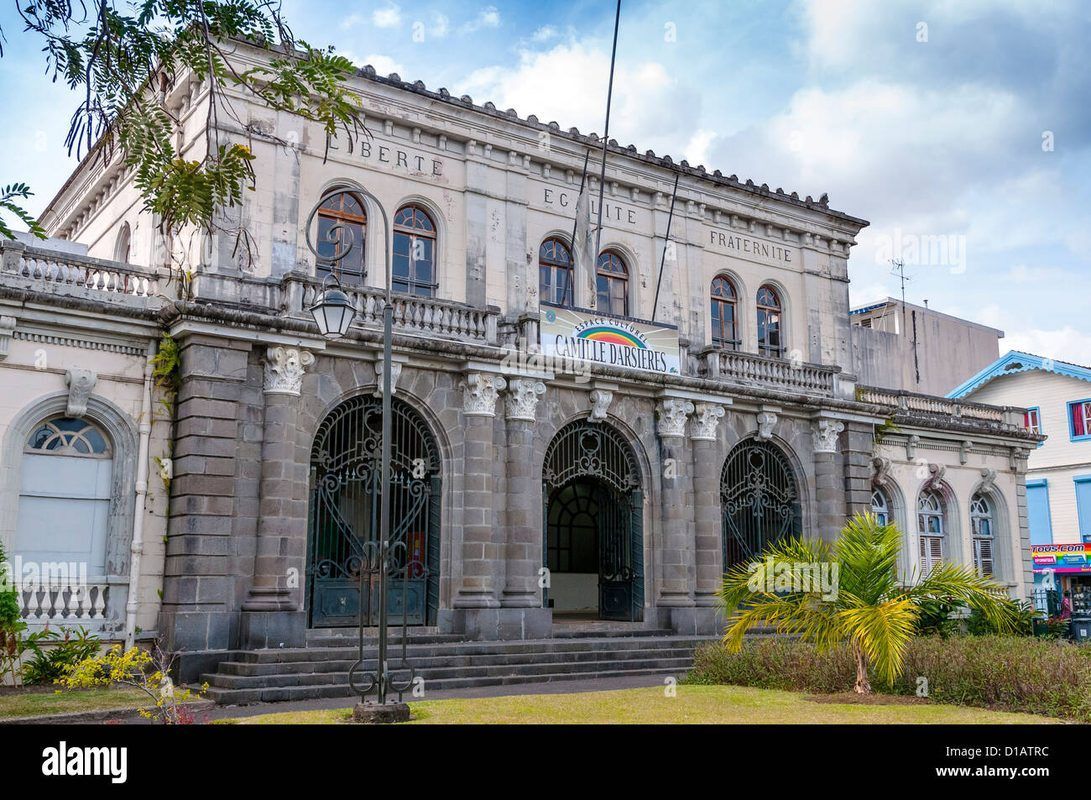
Legal System: Hybrid Common/Civil Law
Saint Lucia has a hybrid legal system blending English common law with elements of French civil law, reflecting its dual colonial history. The Civil Code, modeled on Quebec codes (1879), governs property, obligations, and family law, while commercial and criminal law follow common law traditions. This makes Saint Lucia unique among Eastern Caribbean states and familiar to investors from both common law and civil law jurisdictions.
Court System
| Court | Jurisdiction | Notes |
|---|---|---|
| Magistrate’s Court | Summary criminal; civil claims up to ~US$1,850 (EC$5,000) | First instance for minor matters |
| High Court of Justice | Unlimited civil jurisdiction, serious criminal | Part of the Eastern Caribbean Supreme Court (ECSC); 3 judges resident in Saint Lucia |
| Commercial Division | Claims ≥US$75,000 (EC$200,000) | Specialized business court within the ECSC High Court |
| Court of Appeal | Appeals from High Court | Itinerant; 6 Justices based in Castries |
| Caribbean Court of Justice (CCJ) | Final court of appeal | Saint Lucia acceded to CCJ appellate jurisdiction in July 2023, replacing the UK Privy Council |
Contract Enforcement
| Metric | Value | Source |
|---|---|---|
| World Bank rank | 79th out of 190 countries | Doing Business 2020 |
| Time to enforce | ~815 days from filing to payment | Doing Business 2020 |
| Cost of enforcement | ~27% of claim value | Doing Business 2020 |
| ECSC clearance rate | Improved from 68% (2021) to 104% (2023) | ECSC Annual Report |
| E-Litigation Portal | Digitized court filing since 2018 | ECSC |
Arbitration & Alternative Dispute Resolution
New York Convention
Saint Lucia is not a party to the New York Convention (1958) on the Recognition and Enforcement of Foreign Arbitral Awards. This is a significant gap—foreign arbitral awards must be enforced via common law principles or the domestic Arbitration Act (Cap. 3.04), which is based on the UNCITRAL Model Law. Investors should consider specifying arbitration seats in Convention member states and including enforcement mechanisms in contracts.
ICSID Convention
Saint Lucia is a party to the ICSID Convention (International Centre for Settlement of Investment Disputes), providing investor-state dispute resolution for qualifying investments.
| ADR Mechanism | Detail |
|---|---|
| Mediation Act 2008 | Mandatory pre-litigation mediation in many civil cases; 41 court-appointed trained mediators |
| Arbitration Act (Cap. 3.04) | Based on UNCITRAL Model Law; provides framework for domestic and international arbitration |
| Labour Tribunal | Handles unfair dismissal and employment-related claims |
| Consumer Protection Tribunal | Resolves consumer complaints under the Consumer Protection Act (No. 9 of 2016) |
Key Commercial Legislation
| Legislation | Scope |
|---|---|
| Companies Act (Cap. 13.01) | Incorporation, management, dissolution, directors’ duties, corporate governance |
| International Business Companies Act (Cap. 12.14) | Formation and regulation of IBCs; tax-exempt framework for international trade |
| Labour Code (2006) | Employment contracts, working conditions, termination, trade unions |
| Data Protection Act (Cap. 8:18) | Brought into force 2023; GDPR-similar personal data protections |
| Electronic Transactions Act (2011) | Legal recognition of e-signatures, e-contracts, electronic records |
| Civil Code of Saint Lucia | Property, obligations, and family law (modeled on Quebec civil code, 1879) |
Leading Law Firms
| Firm | Specialty / Notes |
|---|---|
| Floissac, Duboulay & Thomas | Full-service commercial and litigation |
| Fosters (formerly Peter Foster & Associates) | Corporate, real estate, CBI |
| McNamara & Co | Est. 1975; corporate and commercial |
| Athena Law | Real estate, business law |
| Dentons | International presence; cross-border transactions |
Practical Considerations
| Typical civil case timeline | 12–24 months for High Court proceedings; longer with appeals. Commercial Division cases may proceed faster. |
| Legal costs | Attorney fees typically EC$300–500/hour; contingency arrangements uncommon |
| Contract enforcement | Governed by English common law principles; Civil Code applies to property and obligations |
| Foreign judgments | Enforceable under the Reciprocal Enforcement of Judgments Act for Commonwealth countries |
Alien Landholding Licence Fees
Non-nationals require an Alien Landholding Licence to purchase property in Saint Lucia. Processing typically takes 4–6 weeks.
| Property Size | Licence Fee (US$) |
|---|---|
| Subdivided lot | US$100 |
| ≤1 acre | US$2,500 |
| 1–5 acres | US$5,000 |
| 5–10 acres | US$10,500 |
| >10 acres | US$20,000 |
Sources: Eastern Caribbean Supreme Court (eccourts.org), World Bank Doing Business 2020, Attorney General Chambers, ROCIP (rocip.gov.lc).
E-Commerce & Digital Business
Saint Lucia has developed a legal framework for digital commerce, though some gaps remain for cross-border digital services.
Electronic Transactions Act (2011)
- Electronic records fulfil legal obligations requiring information to be “in writing”
- Electronic signatures have the same legal effect as handwritten signatures if uniquely linked to the signatory, under their sole control, and tamper-detectable
- Electronic contracts are legally binding, including automated contracts completed by computer programs
- Exclusions: Wills, trusts, and real estate transactions are excluded
Consumer Protection Online
The Consumer Protection Act (No. 9 of 2016), in force since January 2022, applies to online transactions. Key provisions include a 14-day cooling-off period for distance/off-premises contracts, mandatory accurate product information, and dispute resolution through the Consumer Affairs Department and Consumer Protection Tribunal.
Payment Services
The Payment System and Services Act (PSSA) 2025 creates a modern framework for payment service providers. Key features include structured PSP licensing, a regulatory sandbox for fintech innovation, consumer protection for digital payments, and strengthened ECCB oversight. Saint Lucia was among the first ECCU countries to pass this into law.
Virtual Assets Business Act (Dec 2022)
The Virtual Assets Business Act established a comprehensive licensing framework for VASPs (Virtual Asset Service Providers), administered by the FSRA.
| Requirement | Detail |
|---|---|
| Licensing authority | Financial Services Regulatory Authority (FSRA) |
| Minimum capital | EC$250,000 |
| Processing time | 4–5 months |
| Mandatory AML officer | Designated AML Compliance Officer required |
| Fit-and-proper tests | Directors, shareholders, and beneficial owners |
| Accounting standards | IFRS required; annual external audit |
| Capital gains on crypto | No capital gains tax on virtual asset transactions |
Data Protection
The Data Protection Act 2009 provides the current framework for data privacy, though it is widely acknowledged as outdated relative to international standards (e.g., GDPR, APEC CBPR). Key developments:
- OECS data protection harmonization: Regional consultations launched in January 2025 to develop a harmonized data protection framework across the OECS, aiming to align with modern international privacy standards
- No explicit data localization mandate; cloud services hosted abroad are permitted
- Businesses processing personal data should anticipate stronger regulatory requirements as harmonization progresses
Key Digital Business Considerations
| Data localization | No explicit mandate; cloud services hosted abroad are permitted under the Data Protection Act |
| Cross-border VAT | No specific digital services VAT regime; standard 12.5% applies at import. Foreign digital platforms may not collect VAT |
| VASP licensing | Virtual Asset Service Providers require FSRA licensing. Minimum capital EC$250,000. No capital gains tax on crypto. See details above. |
| Online registration | IBC Pinnacle Registry offers fully online international company incorporation |
| Data protection reform | OECS harmonization consultations launched Jan 2025; current Act (2009) predates modern privacy frameworks |
Double Taxation Agreements & Tax Information Exchange
Saint Lucia's treaty network is limited compared to major international financial centres but provides key protections for regional trade and meets global tax transparency standards. The country has one comprehensive DTA (the CARICOM multilateral treaty) and 15 bilateral Tax Information Exchange Agreements (TIEAs), alongside participation in the OECD's multilateral exchange frameworks.
CARICOM Double Taxation Agreement
Saint Lucia's sole comprehensive DTA is the CARICOM Double Taxation Agreement, a multilateral treaty among CARICOM member states. It covers income tax, withholding tax, and provides relief from double taxation through tax credits.
| Treaty Partner | Type | Key Benefits |
|---|---|---|
| Antigua & Barbuda | CARICOM DTA | WHT reduced to 15% on interest, royalties, management fees; 0% on dividends |
| Barbados | CARICOM DTA | WHT reduced to 15% on interest, royalties, management fees; 0% on dividends |
| Belize | CARICOM DTA | WHT reduced to 15% on interest, royalties, management fees; 0% on dividends |
| Dominica | CARICOM DTA | WHT reduced to 15% on interest, royalties, management fees; 0% on dividends |
| Grenada | CARICOM DTA | WHT reduced to 15% on interest, royalties, management fees; 0% on dividends |
| Guyana | CARICOM DTA | WHT reduced to 15% on interest, royalties, management fees; 0% on dividends |
| Jamaica | CARICOM DTA | WHT reduced to 15% on interest, royalties, management fees; 0% on dividends |
| Montserrat | CARICOM DTA | WHT reduced to 15% on interest, royalties, management fees; 0% on dividends |
| St. Kitts & Nevis | CARICOM DTA | WHT reduced to 15% on interest, royalties, management fees; 0% on dividends |
| St. Vincent & the Grenadines | CARICOM DTA | WHT reduced to 15% on interest, royalties, management fees; 0% on dividends |
| Trinidad & Tobago | CARICOM DTA | WHT reduced to 15% on interest, royalties, management fees; 0% on dividends |
Withholding Tax Rates: Treaty vs. Domestic
| Payment Type | Domestic Rate (Non-Resident) | CARICOM Treaty Rate |
|---|---|---|
| Dividends | None (no dividend WHT) | 0% |
| Interest | 15% | 15% |
| Royalties | 25% | 15% |
| Management fees | 25% | 15% |
| Commissions / fees | 25% | Treaty silent (25% may apply) |
| Insurance premiums | 25% | Treaty silent (25% may apply) |
| Other income | 25% | 15% (general provision) |
| Contractor payments | 10% (resident; exempt if <EC$10,000) | N/A |
A foreign tax credit is allowed for the lesser of: (a) tax actually payable in the foreign CARICOM country, or (b) the tax that would be charged under Saint Lucia law on the same income.
Tax Information Exchange Agreements (TIEAs)
Saint Lucia has signed 15 bilateral TIEAs with the following jurisdictions. TIEAs enable exchange of tax information on request but do not provide reduced withholding rates (unlike DTAs).
| # | Country | Type | Date Signed |
|---|---|---|---|
| 1 | Aruba | TIEA | 2009 |
| 2 | Australia | TIEA | 2010 |
| 3 | Belgium | TIEA | 2010 |
| 4 | Denmark | TIEA | 2010 |
| 5 | Finland | TIEA | 2010 |
| 6 | France | TIEA | 2010 |
| 7 | Germany | TIEA | 2010 |
| 8 | Iceland | TIEA | 2010 |
| 9 | Ireland | TIEA | 2010 |
| 10 | Netherlands | TIEA | 2 Dec 2009 |
| 11 | Netherlands Antilles | TIEA | 29 Oct 2009 |
| 12 | Norway | TIEA | 2010 |
| 13 | Portugal | TIEA | 14 Jul 2010 |
| 14 | Sweden | TIEA | 2010 |
| 15 | United Kingdom | TIEA | 2010 |
| 16 | United States | TIEA | 2010 |
Multilateral Agreements & OECD Compliance
| Agreement | Status | Details |
|---|---|---|
| Multilateral Convention on Mutual Administrative Assistance in Tax Matters | Signed Nov 2016 | Enables exchange of tax information with 140+ jurisdictions. Broadest multilateral framework for tax cooperation. |
| Common Reporting Standard (CRS) MCAA | Active since Sep 2018 | Automatic exchange of financial account information. Signed 29 Oct 2015. First exchanges commenced September 2018. |
| FATCA IGA (United States) | Signed 2014 | Intergovernmental Agreement with the US for automatic reporting of financial accounts held by US persons. |
| OECD Global Forum Peer Review | Largely Compliant (2023) | Second Round review published 2023. Upgraded from "Partially Compliant" (2016). Inland Revenue Dept. achieved highly efficient response times. Beneficial ownership framework requires minor refinement. |
| FATF / CFATF Status | Not on grey/black list | Saint Lucia is not on the FATF grey or black list. CFATF 4th Enhanced Follow-Up (Oct 2024): 35/40 FATF recommendations now Compliant/Largely Compliant (up from 28). 7 recommendations re-rated upward. See Banking & Finance for enforcement details. |
Tax Residency Determination
Saint Lucia uses the following rules to determine tax residency under the Income Tax Act:
| Residency Category | Test | Tax Scope |
|---|---|---|
| Resident & ordinarily resident | Present 183+ days in the income year | Taxed on worldwide income |
| Resident but not ordinarily resident | <183 days but resident in the preceding or succeeding year | Taxed on St. Lucia-sourced income + foreign income remitted to St. Lucia |
| Non-resident | Not meeting either test above | Taxed on St. Lucia-sourced income + foreign income remitted |
Each case is evaluated on its specific circumstances by the Inland Revenue Department. The 183-day rule is the primary statutory test. Digital nomad visa holders are not considered tax resident—their foreign-sourced income is exempt from local income tax.
Limited Treaty Network—Planning Implications
Saint Lucia has no bilateral DTAs outside of the CARICOM agreement. This means:
- Payments to non-CARICOM countries are subject to full domestic WHT rates (up to 25%)
- No treaty-based WHT reductions for payments to the US, UK, EU, or other major trading partners
- IBCs are exempt from WHT on outward payments (0% on dividends, royalties, interest, management fees to non-residents)
- For holding company structures requiring DTAs, consider Barbados (31+ DTAs) or Mauritius (46+ DTAs) as complementary jurisdictions
- The TIEAs and CRS framework ensure compliance with global transparency standards without imposing additional taxes
CARICOM Tax Coordination
Under the CARICOM Single Market and Economy (CSME), member states have agreed to harmonize tax incentives and work toward common standards. The CARICOM DTA provides for mutual recognition of tax credits, meaning Saint Lucian businesses operating across the 11 CARICOM treaty partners can claim foreign tax credits to avoid double taxation. The ECCB region further coordinates through common reporting requirements and financial sector regulation.
Sources: PwC Tax Summaries (Jan 2026), OECD Global Forum Peer Review Saint Lucia 2023, CARICOM Secretariat, Inland Revenue Department of Saint Lucia.
Investment Incentives & Free Zones
Saint Lucia offers a layered incentive framework designed to attract foreign and domestic investment across manufacturing, tourism, services, agriculture, and renewable energy. The key legislation—the Fiscal Incentives Act, Tourism Incentives Act, Free Zone Act, and Special Development Areas Act—together provide tax holidays of up to 15 years, duty-free imports, 100% foreign ownership, and full profit repatriation. Invest Saint Lucia (investstlucia.com) operates as the government's one-stop-shop investment promotion agency, guiding investors through applications, licensing, and aftercare.
Fiscal Incentives Act (Cap. 15.10)
Originally enacted in 1974 under the OECS Harmonized Fiscal Incentives regime, the Act provides tax holidays and concessions for approved enterprises in manufacturing, agriculture, and—since a 2020 amendment—four service subsectors. The length of tax holidays depends on the enterprise category and local value added. Applications are processed through the National Development Corporation (now Invest Saint Lucia).
| Enterprise Category | Value Added Requirement | Tax Holiday | Key Conditions |
|---|---|---|---|
| Group I | 50%+ local value added | Up to 15 years | Highest local content; maximum use of domestic resources |
| Group II | 25–50% local value added | Up to 12 years | Moderate local content; significant local employment |
| Group III | 10–25% local value added | Up to 10 years | Lower local content; still generates employment and FX |
| Enclave Enterprise | Exports 100% outside CARICOM | Up to 15 years | Must produce exclusively for non-CARICOM export markets |
| Service Enterprises (2020+) | Sector-specific criteria | Negotiable (up to 15 years) | Creative industry, professional services, spa & wellness, ICT |
Additional Fiscal Incentives
| Incentive | Detail |
|---|---|
| Import duty waiver—machinery & plant | 0% duty on imported machinery, equipment, and spare parts for approved enterprises |
| Import duty waiver—raw materials | 0% duty on imported raw materials and packaging materials used in manufacturing |
| Export allowance | Tax deduction on export earnings for 10–15 years; incentivizes foreign exchange generation |
| Accelerated depreciation | Available for qualifying plant, machinery, and industrial buildings |
| Profit repatriation | Guaranteed repatriation of capital and dividends; remittance of profits is tax-free |
| Employment deduction | 25% salary deduction for hiring university graduates (maximum 3 years) |
| Post-holiday relief | Partial income tax exemption may continue after tax holiday, subject to new capital investment (EC$1M–EC$5M threshold) |
Qualifying Criteria
To qualify under the Fiscal Incentives Act, an enterprise must: (1) be incorporated and registered in Saint Lucia; (2) contribute to the economic development of the country; (3) utilize domestic human and natural resources; (4) form linkages with other economic sectors; (5) contribute to foreign exchange earnings; (6) train local personnel; and (7) introduce plant upgrades via technology transfer. Applications are submitted to Invest Saint Lucia with a business plan, employment projections, and value-added calculations.
Free Zone Act (Cap. 15.17)
The Free Zone Act establishes customs-designated enclosed areas where goods of foreign origin may be held, processed, or assembled pending transshipment, re-export, or importation into the local market—without payment of customs duties. The Vieux Fort Free Zone at Beanfield Industrial Estate is located within 200 metres of Hewanorra International Airport and 5 minutes from the Vieux Fort Seaport.
| Benefit | Detail |
|---|---|
| Customs duties | 0% on all goods entering the Free Zone for commercial purposes |
| Corporate income tax | 0% for the first 5 years of operation |
| Dividend tax | 0% for the first 20 years |
| Foreign exchange controls | None—no restrictions or taxes on FX transactions within the zone |
| Foreign ownership | 100% permitted—no local equity requirement |
| Work permit fees | Waived for management personnel |
| Profit repatriation | Full repatriation of profits and capital permitted |
| Banking | Licensed banks may operate within the zone (limited to zone businesses) |
Vieux Fort Free Zone—Facilities
| Unit Type | Quantity | Total Area (ft²) | Warehouse / Display & Office |
|---|---|---|---|
| Type A | 4 units | 12,800 | 8,064 / 4,736 |
| Type B | 4 units | 8,395 | 5,580 / 2,815 |
| Type C | 3 units | 4,520 | 2,820 / 1,700 |
| Admin offices | Multiple | 445–2,115 | Office space in admin building |
Permitted activities: manufacturing, assembly, warehousing, distribution, duty-free retail, telecommunications services, and commercial office operations. Contact: +1 758 454 8881 / stluciatradezone@candw.lc
Industrial Estates
Saint Lucia has 7 industrial estates island-wide, managed by successor agencies to the Saint Lucia Development Corporation. These estates provide standard factory shells available for lease, suitable for light manufacturing, storage, and processing operations.
| Feature | Detail |
|---|---|
| Total industrial estates | 7 across the island |
| Available facilities | Standard factory shells for lease; light manufacturing, storage, processing |
| Duty-free imports | Building materials, machinery, raw materials for qualifying businesses |
| Profit repatriation | Permitted; no restrictions |
| Foreign exchange controls | None (EC$ pegged to US$ at 2.70:1) |
| Work permits | Facilitated for key foreign personnel in qualifying enterprises |
| Customs procedures | Streamlined for zone tenants |
Manufacturing for Export
The Vieux Fort Free Zone’s proximity to Hewanorra International Airport (~200 metres) makes it ideal for air freight operations and manufacturing for the North American market. With the 2020 Fiscal Incentives Act amendment adding ICT/BPO to eligible industries, the zone now also supports technology-driven businesses. Enclave enterprises exporting 100% outside CARICOM can receive up to 15 years of tax holiday.
Sources: Invest Saint Lucia (investstlucia.com), Fiscal Incentives Act, Government of Saint Lucia.
Tourism Incentives Act
The Tourism Incentives Act specifically targets investment in hotels, attractions, and tourism services. It provides the most generous incentive package for the hospitality sector—Saint Lucia's largest economic driver (EC$3B+ annual tourism revenue).
| Benefit | Detail | Eligibility |
|---|---|---|
| Income tax holiday | Up to 15 years (100% exemption) | Hotels of 6+ rooms; approved tourism products |
| Post-holiday tax relief | Continued exemption for 2 years after tax holiday ends | Projects distributing profits as capital to shareholders/debenture holders |
| Duty-free construction materials | 0% import duty on building materials, equipment, furnishings | Used exclusively for construction/equipping of the approved tourism project |
| Property tax waiver | Whole or partial exemption | Approved tourism projects in designated areas |
| Stamp duty waiver | Exemption on property transactions | Initial purchase of property for tourism development |
| ALHL fee waiver | Whole or partial exemption of Alien Landholding Licence fees | Foreign investors in approved tourism projects |
| WHT exemption | Withholding tax waiver on specified payments | During the tax holiday period |
| VAT concessions | Reduced rate (7% accommodation / 10% F&B) | All approved tourism accommodation and services |
Application Process
Step 1: Submit project proposal to the Ministry of Tourism for interim approval, including architectural plans, financial projections, and employment estimates. Step 2: Upon interim approval, commence construction under approved conditions. Step 3: On completion, the Minister declares the project an approved tourism product by order, granting full incentive benefits. Projects must demonstrate alignment with national tourism development priorities.
Special Development Areas (SDA) Act
The SDA Act designates specific geographic areas for accelerated investment incentives, targeting economically underserved communities to promote balanced regional development.
| Designated Area | Location | Key Opportunities |
|---|---|---|
| Vieux Fort | Southern tip | Free Zone, airport proximity, industrial/logistics hub |
| Soufriere | Southwest coast | Tourism (Pitons/volcano), heritage, eco-tourism |
| Anse la Raye | West coast | Fishing village, Friday fish fry tourism, agri-tourism |
| Canaries | West coast | Small-scale tourism, water-based activities |
| Dennery | East coast | Agriculture, fisheries, rural tourism development |
| Choc Estate | North (near Castries) | Commercial and industrial development |
SDA Incentives
- Import duty exemption on inputs for new construction and renovation/refurbishment of buildings
- Stamp duty exemption for vendors and purchasers on initial property transactions
- Consumption tax exemption on construction inputs
- Land and house tax exemption for specified periods
- Higher tax allowances and accelerated depreciation
- Additional concessions available under Section 152 of the Income Tax Act at the Minister's discretion
Qualifying businesses include: residential complexes, commercial/industrial buildings, tourism facilities, water-based activities, heritage and eco-tourism projects, arts and cultural investments, agricultural activities, and fisheries-based activities.
Budget 2025/26 Investment Incentive Measures
The 2025/26 budget (EC$2.06 billion) introduced several measures that directly benefit businesses and investors:
| Measure | Detail | Status |
|---|---|---|
| Cybersecurity & AI deduction | Businesses investing in cybersecurity, AI tools, or ICT training can claim up to EC$50,000 as a tax-deductible expense | Effective 2025 |
| VAT waiver on building materials | 12.5% VAT waiver on select construction materials (plywood, lumber, steel, cement, galvanize, solar systems) extended to May 2026 | Extended Jul 2025 |
| VAT removal on food | VAT to be removed from 70+ food items | July 2026 |
| Income tax allowance increase | Personal deductible raised from EC$18,400 to EC$40,000 | 2025 tax year |
| Tax amnesty programme | Amnesty on outstanding tax liabilities—waiver of penalties and interest | Extended to May 2026 |
| Airport departure charge halved | Airport departure charge reduced from EC$68 to EC$34 (50% cut) for regional travel | Jun–Dec 2025 |
| No new taxes | Government explicitly committed to introducing no new taxes in this budget cycle | 2025/26 |
| Fiscal Incentives Act expansion | 2020 amendment now fully operational: creative industry, professional services, spa & wellness, and ICT qualify for incentives | Active |
Sources: 2025/26 Budget Address (March 2025), KPMG Tax Alert (Oct 2025), Bloomberg Tax, St. Lucia Times.
Green Energy & Renewable Incentives
Saint Lucia targets 50% renewable energy by 2030 and 100% by 2050 under the National Energy Policy and NDC 3.0 commitments. The National Utilities Regulatory Commission (NURC), established in 2016, regulates the electricity sector and facilitates Independent Power Producer (IPP) opportunities.
- Solar panel duty exemption: VAT waiver on solar systems included in the building materials concession (extended to May 2026)
- Hybrid/EV vehicle incentives: Reduced import duties and excise taxes on hybrid and sustainable fuel vehicles (since 2014)
- IPP framework & Electricity Supply Bill: The Electricity Supply Bill (2025) proposes to end LUCELEC's exclusive monopoly, opening the market to competitive generation and distribution. Current IPP projects include the La Tourney 3MW solar farm (US$0.105/kWh) and the planned Troumassee 10MW solar + battery storage in Micoud
- Geothermal development: RESDP (Renewable Energy Sector Development Project) advancing a planned 32MW geothermal plant in Soufriere, with historical wells measuring 270–290°C
- Construction sector link: The 22.4% construction sector expansion in 2024 was partly driven by VAT removal on key inputs (steel, cement, wood, galvanize)
- OECS regional: The Basseterre Declaration supports a shared geothermal rig concept across the OECS; combined geothermal potential estimated at 6,290MW
See Sectors → Renewable Energy for detailed project timelines and investment opportunities.
MSME & Startup Support
Small and medium enterprises benefit from a growing ecosystem of grants, technical assistance, and duty-free concessions:
- Small Business Development Centre (SBDC): Part of the Dept. of Commerce; provides business registration guidance, fiscal incentive applications, training, and mentoring. Contact: sbdcsaintlucia@govt.lc / 1-758-468-4220
- Duty-free concessions for small businesses: Government online application portal for import duty waivers on equipment and supplies
- OECS Regional MSME Matching Grants: World Bank-funded programme through the OECS Commission. Window 1: Individual grants of US$5,000–$25,000 for MSMEs in blue economy sectors. Window 2: Value chain group grants of US$100,000–$200,000 (minimum 3 MSMEs) in waste management, marine/coastal tourism, and fisheries. Enterprises must be registered and operational for 2+ years
- SBDC Loan-Grant Facility: Blended finance support for eligible micro and small enterprises
- Fiscal Incentives for services: The 2020 amendment to the Fiscal Incentives Act enables small businesses in creative industry, professional services, spa/wellness, and ICT to qualify for tax holidays and duty concessions
See Sectors and CARICOM & Trade for additional OECS grant programmes and export support.
Export & Trade Incentives
| Incentive | Detail |
|---|---|
| Export allowance (Fiscal Incentives Act) | Tax deduction on export earnings for approved manufacturing enterprises (10–15 years) |
| Enclave industry status | Up to 15-year tax holiday for enterprises exporting 100% outside CARICOM |
| CARICOM preferential access | Duty-free access to the ~$137B CARICOM market (15 member states) for goods meeting Rules of Origin |
| OECS single market | Free movement of goods, services, and labour across 7 OECS member states |
| Free Zone re-export | Goods assembled/manufactured in the Vieux Fort Free Zone can be re-exported duty-free |
| VAT zero-rating on exports | All exports from Saint Lucia are zero-rated for VAT purposes (0%) |
| CARIBCAN (Canada) | Duty-free access for most Saint Lucian goods entering Canada |
| EPA (European Union) | CARIFORUM-EU Economic Partnership Agreement provides preferential market access |
| CBERA / CBI (United States) | Caribbean Basin Initiative provides duty-free or reduced-duty access to the US market for qualifying products |
Invest Saint Lucia—One-Stop Shop
Invest Saint Lucia is the national investment promotion agency, responsible for stimulating, facilitating, and promoting inward investment. Services include:
- Investment facilitation: Guidance through licensing, permits, and fiscal incentive applications
- Site identification: Industrial space, commercial properties, and Free Zone units
- Regulatory navigation: Liaison with government agencies (DCA, Customs, IRD, Labour Dept.)
- Aftercare: Post-establishment support for operational businesses
- Incentive packaging: Coordinating applications across the Fiscal Incentives Act, Tourism Incentives Act, Free Zone, and SDA regimes
Priority sectors: Tourism, Business Process Outsourcing (BPO), manufacturing, ICT, creative industries, finance, and education.
Website: investstlucia.com
Caribbean Incentive Comparison
How Saint Lucia's investment incentive framework compares to key Caribbean competitors:
| Feature | St. Lucia | Barbados | Grenada | Trinidad & Tobago |
|---|---|---|---|---|
| Standard corporate tax | 30% | 5.5% (intl); 15–30% domestic | 25% (domestic only) | 30% |
| Tax holidays (max) | 15 years | Repealed Fiscal Incentives Act (2019); write-offs available | 15 years | 10 years (Fiscal Incentives Act) |
| Tourism incentives | 15-year holiday + duty-free construction | Tourism Dev. Act: capital write-offs + duty-free imports | 10-year holiday for hotels | 7-year holiday (Tourism Dev. Act 2000) |
| Free zone / SEZ | Vieux Fort Free Zone: 0% duty, 0% income tax (5 yrs), 0% dividends (20 yrs) | No dedicated free zone | No dedicated free zone | Special Economic Zones: 15% CIT, 0% duty on approved imports |
| VAT / sales tax | 12.5% (7% tourism) | 17.5% | 15% | 12.5% (transitioning to sales tax) |
| Capital gains tax | None | None (some exceptions) | None | None |
| Foreign ownership limit | 100% (no restrictions) | 100% | 100% (ALHL required for land) | 100% (some sector limits) |
| DTAs / treaty network | 1 (CARICOM multilateral) | 31+ bilateral DTAs | 1 (CARICOM) + few bilateral | 20+ bilateral DTAs |
| MSME grants | OECS matching grants (US$5K–$200K) + SBDC | Enterprise Growth Fund | OECS matching grants + GIDC | NEDCO micro-enterprise loans |
| Green energy incentives | Solar VAT waiver, IPP framework, hybrid vehicle duties reduced | Duty-free solar & EV imports | Duty-free solar; feed-in tariffs pending | Green Fund levy (0.3%); solar incentives limited |
| Digital / tech incentives | EC$50K cyber/AI deduction; ICT tax holiday; fintech sandbox | Global Business Licence; fintech framework | Limited | SEZ tech zones planned |
| CBI programme | Yes ($240K NEF) | No | Yes ($235K NEF) | No |
Saint Lucia Advantages
- Longest tax holidays in the Caribbean: Up to 15 years under the Fiscal Incentives Act, matching only Grenada and exceeding Barbados (repealed) and Trinidad (10 years)
- Dedicated Free Zone: One of the few OECS islands with an operational free zone (Vieux Fort), offering 0% income tax for 5 years and 0% dividends for 20 years
- No capital gains, dividend, inheritance, or estate taxes—a significant advantage for wealth structuring
- 100% foreign ownership with no local equity requirements and guaranteed profit repatriation
- CBI programme provides a path to citizenship and eliminates the need for an Alien Landholding Licence
- Growing digital incentives: EC$50,000 cybersecurity/AI deduction and regulatory sandbox for fintech are forward-looking measures
Considerations
- Limited DTA network: Only the CARICOM multilateral DTA; no bilateral treaties with the US, UK, or EU (unlike Barbados with 31+ DTAs or Trinidad with 20+)
- Standard corporate rate remains 30%: Without incentive status, the base rate is higher than Barbados's international rate (5.5%) and Grenada (25%)
- Not party to the New York Convention: Enforcement of foreign arbitral awards requires common law mechanisms rather than Convention procedures
- Free Zone scale: The Vieux Fort Free Zone is small (11 warehouse units) compared to Trinidad's multi-site SEZ framework
Sources: PwC Tax Summaries (Jan 2026), US State Dept. Investment Climate Statements (2024–2025), Invest Saint Lucia, Attorney General's Chambers Revised Laws, St. Lucia Free Zone Authority, KPMG Tax Alerts, OECS Commission, 2025/26 Budget Address.